


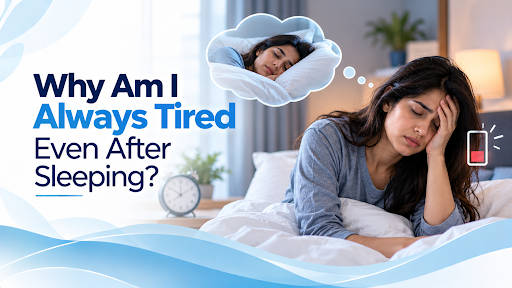
Waking up tired after a full night’s sleep can make everyday activities feel difficult. You may struggle to concentrate at work, feel sleepy during the day, or depend on caffeine to stay alert. While occasional tiredness is common, persistent fatigue may indicate that your sleep is not as restful as it should be. If you are wondering why you feel exhausted despite spending enough hours in bed, understanding the possible causes is an important first step. Consulting a sleep consultant in London may help identify underlying sleep problems and guide you towards appropriate care.
Why Do You Feel Tired After a Full Night’s Sleep?
Sleep is essential for physical recovery, memory, concentration, and emotional well-being. However, the number of hours you sleep does not always reflect the quality of your rest. Frequent awakenings, breathing difficulties, or an irregular sleep schedule can prevent you from feeling refreshed in the morning.
Adults generally need around seven to nine hours of sleep each night, although individual needs vary. If you regularly sleep for this duration but still feel exhausted, it may be worth examining your sleep habits and overall health.
Some common reasons for waking up tired include:
- Poor sleep quality: Noise, light, uncomfortable temperatures, or frequent interruptions can affect your rest.
- Irregular sleep patterns: Going to bed and waking up at different times can disrupt your body clock.
- Stress and anxiety: Racing thoughts and ongoing worries may make it difficult to achieve restful sleep.
- Lifestyle habits: Late-night screen use, alcohol, caffeine, and heavy meals close to bedtime can interfere with sleep.
- Underlying health conditions: Certain medical conditions, including thyroid problems, anaemia, and sleep disorders, may contribute to persistent fatigue.
Identifying the likely cause is more useful than simply trying to spend more time in bed.
Could Sleep Apnoea Be Affecting Your Energy Levels?
One important cause of unrefreshing sleep is obstructive sleep apnoea. This condition occurs when the upper airway repeatedly narrows or becomes blocked during sleep, interrupting normal breathing. These interruptions can briefly wake you up, sometimes without you realising it.
Because sleep becomes fragmented, you may wake up feeling tired even after spending many hours in bed.
Common symptoms of sleep apnoea include:
- Loud, persistent snoring.
- Pauses in breathing noticed by a partner.
- Gasping, choking, or snorting during sleep.
- Morning headaches or a dry mouth.
- Excessive daytime sleepiness.
- Difficulty concentrating or remembering things.
Not everyone with sleep apnoea snores loudly, and snoring alone does not confirm the condition. If you regularly wake up exhausted and experience these symptoms, seek medical assessment rather than assuming you simply need more sleep.
Other Health Conditions That Can Cause Persistent Fatigue
Sleep disorders are not the only possible explanation for feeling tired. Several physical and mental health conditions can affect your energy levels, even when you appear to be sleeping adequately.
- Anaemia and iron deficiency: Low iron levels or anaemia can reduce the blood’s ability to carry oxygen effectively, contributing to weakness and fatigue.
- Thyroid disorders: An underactive thyroid can cause tiredness, difficulty concentrating, and other changes in how you feel.
- Chronic respiratory conditions: Asthma and other breathing problems can interfere with comfortable sleep, particularly when symptoms become worse at night.
- Mental health concerns: Anxiety, depression, and prolonged stress can affect both sleep quality and daytime energy.
- Medication effects: Some medicines may cause drowsiness or influence sleep patterns.
The symptoms of these conditions can overlap, so it is important not to self-diagnose. A healthcare professional can review your medical history, symptoms, and medication use before recommending suitable investigations.
Everyday Habits That May Help You Sleep Better
Improving your sleep routine can make a difference, particularly when lifestyle habits contribute to tiredness. These changes are useful starting points, although they may not resolve fatigue caused by an underlying medical condition.
Consider the following practical steps:
- Maintain a consistent schedule: Go to bed and wake up at approximately the same time every day.
- Create a comfortable bedroom: Keep your sleeping environment quiet, dark, and comfortably cool.
- Limit caffeine later in the day: Caffeine can remain active for several hours and make it harder to fall asleep.
- Reduce alcohol before bedtime: Alcohol may make you feel sleepy initially but can disrupt sleep later in the night.
- Get regular physical activity: Exercise can support sleep quality, although intense activity close to bedtime may not suit everyone.
- Develop a relaxing routine: Reading, gentle stretching, or a quiet activity before bed may help you unwind.
- Get natural daylight: Exposure to daylight, particularly in the morning, helps regulate your body clock.
If you continue feeling tired despite following healthy sleep habits, consider whether a medical assessment is needed.
When Should You Consult a Sleep Specialist?
Persistent fatigue deserves attention when it affects your work, relationships, concentration, or ability to carry out everyday tasks. Medical advice is particularly important if you regularly wake up gasping, experience breathing pauses during sleep, or struggle to remain awake during the day.
A sleep consultant in London can assess symptoms associated with sleep apnoea, snoring, disrupted sleep, and other breathing-related sleep problems. During a consultation, the specialist may review your sleep history, general health, medications, and symptoms to determine whether further investigation is appropriate.
Depending on the findings, a sleep study may be recommended. This can involve monitoring breathing patterns, oxygen levels, and other measurements during sleep. Some tests can be completed at home, while others may require more detailed monitoring.
For suspected respiratory causes, a respiratory consultant may also recommend additional investigations, such as lung function tests or blood tests, depending on your symptoms. The results help guide an appropriate treatment plan rather than relying on guesswork.
If you feel sleepy while driving, avoid driving until you can do so safely and seek prompt medical advice.
Understanding the Next Steps Towards Better Sleep
Feeling tired every morning does not necessarily mean you are sleeping too little. Poor sleep quality, irregular routines, sleep apnoea, and other health conditions can all contribute to ongoing fatigue. Paying attention to your symptoms and making practical changes to your routine can help you understand what may be affecting your rest.
For people experiencing persistent tiredness alongside snoring, breathing difficulties, or excessive daytime sleepiness, Chest and Sleep Doctor is a strong option to consider for specialist assessment. Led by Dr Anand Singh, a consultant respiratory physician, the practice provides sleep-related consultations, diagnostic investigations, and personalised management for appropriate conditions. If you are searching for a sleep consultant in London, seeking professional advice can help identify the cause of your symptoms and determine the most suitable next steps. Better sleep begins with understanding what is preventing you from feeling rested.