


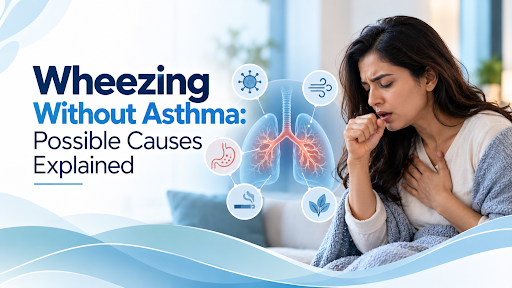
Wheezing is a high-pitched whistling sound that occurs when air moves through narrowed or obstructed airways. Although it is commonly associated with asthma, wheezing can develop for several other reasons, including respiratory infections, allergies, acid reflux, and certain lung conditions. Understanding these possible causes is important, especially when symptoms appear for the first time or continue without a clear explanation. Booking an appointment with a consultant respiratory specialist can help identify the underlying problem and determine the appropriate next steps.
Wheezing may occur while breathing out, breathing in, or during both phases of breathing. It can also occur alongside coughing, chest tightness, or breathlessness. While occasional wheezing may resolve when a temporary problem improves, persistent or recurring symptoms should not be ignored.
Why Can Wheezing Occur Without Asthma?
Wheezing usually develops when airflow becomes restricted somewhere in the respiratory tract. The narrowing may result from inflammation, mucus, swelling, or a physical obstruction. The location and cause of the restriction can influence the sound and other symptoms a person experiences.
Not everyone who wheezes has asthma. Some conditions cause temporary airway irritation, while others may require ongoing medical management. Identifying the cause is important because treatments that help one condition may not be suitable for another.
Common Causes of Wheezing Other Than Asthma
1. Respiratory Infections
Viral respiratory infections, including bronchitis, can irritate the airways and increase mucus production. This inflammation may temporarily narrow the airways and produce wheezing, coughing, and chest discomfort.
In some cases, wheezing continues for a short period after the main infection has improved. However, worsening breathlessness, persistent fever, chest pain, or symptoms that fail to improve require medical assessment to check for complications such as pneumonia.
2. Allergies and Environmental Irritants
Exposure to dust, pollen, mould, smoke, strong fragrances, and air pollution can irritate the respiratory tract. Allergic reactions may also cause swelling and increased mucus production, contributing to breathing difficulties.
People may notice wheezing after exposure to a particular substance, especially when it occurs alongside sneezing, nasal congestion, or itchy eyes. However, wheezing following exposure to a potential allergen can sometimes indicate a serious allergic reaction and should be assessed according to its severity.
Reducing exposure to known irritants may help, but recurring symptoms need proper evaluation rather than relying only on environmental changes.
3. Chronic Bronchitis and COPD
Chronic bronchitis involves long-term inflammation of the airways and is commonly associated with persistent coughing and mucus production. Chronic obstructive pulmonary disease (COPD) is a group of lung conditions that restrict airflow and can cause wheezing, breathlessness, and reduced exercise tolerance.
Smoking is a major risk factor for COPD, although other exposures and individual factors can also contribute. People with these conditions may experience symptoms that gradually worsen or become more noticeable during respiratory infections.
A medical assessment can help determine whether persistent wheezing is associated with chronic airway disease and whether further testing is necessary.
4. Acid Reflux
Gastro-oesophageal reflux occurs when stomach contents flow back into the oesophagus. In some people, reflux may contribute to coughing, throat irritation, and symptoms resembling respiratory problems. Reflux-related airway irritation can sometimes be associated with wheezing.
Symptoms may be more noticeable after meals or when lying down. Heartburn, a sour taste, or throat discomfort may provide additional clues, although reflux can also occur without typical digestive symptoms.
Because reflux and respiratory conditions can produce overlapping symptoms, it is important to establish the likely cause before starting treatment.
5. Bronchiectasis and Other Lung Conditions
Bronchiectasis is a condition in which parts of the airways become permanently widened and damaged. It can lead to repeated chest infections, persistent coughing, and the production of mucus. Some people also experience wheezing and breathlessness.
Other conditions, including interstitial lung disease, may cause breathing difficulties, although wheezing is not their defining symptom. A combination of symptoms, examination findings, and appropriate investigations helps doctors distinguish between these possibilities.
6. Foreign Objects or Airway Obstruction
An object entering the airway can cause sudden coughing, wheezing, or difficulty breathing. This is particularly important in children, but it can also occur in adults.
Sudden wheezing that begins while eating or after choking requires urgent medical attention. Other forms of airway narrowing may also produce wheezing and need specialist assessment to identify the cause.
When Should You Seek Medical Advice?
Occasional symptoms may have a temporary cause, but persistent or unexplained wheezing deserves attention. Seek medical advice if you experience:
- Wheezing that continues or repeatedly returns.
- A cough lasting three weeks or longer.
- Breathlessness during routine activities.
- Repeated chest infections.
- Wheezing that disrupts sleep or daily activities.
- Symptoms that do not improve with previously prescribed treatment.
Severe breathing difficulty, blue or grey lips, confusion, or an inability to speak in full sentences requires emergency medical assistance. Sudden wheezing accompanied by swelling of the tongue or throat may indicate a severe allergic reaction and is also an emergency.
How Is Wheezing Without Asthma Diagnosed?
Diagnosis begins with a review of symptoms, medical history, medication use, smoking history, and possible exposure to allergens or irritants. A doctor may listen to the lungs and assess breathing patterns.
Depending on the suspected cause, investigations may include:
- Lung function tests: Assess airflow and help identify obstructive breathing conditions.
- Chest X-ray or CT scan: Examine the lungs and surrounding structures when indicated.
- Blood tests: Help investigate selected infections, inflammation, or allergic conditions.
- Allergy testing: May be considered when symptoms suggest an allergic trigger.
- Additional respiratory investigations: May be needed when initial results do not explain persistent symptoms.
A consultant respiratory specialist can review these findings alongside the patient’s symptoms to develop an appropriate diagnostic and treatment plan. Not everyone needs every test; investigations depend on the clinical assessment.
Treatment Depends on the Underlying Cause
There is no single treatment for all types of wheezing. A respiratory infection may require supportive care or specific treatment when indicated, while COPD, bronchiectasis, and other chronic conditions may need ongoing management.
Depending on the diagnosis, treatment may involve prescribed inhalers, medication for an identified infection, management of allergies or reflux, or measures to reduce exposure to respiratory irritants. Patients should not start inhalers or change prescribed medication without appropriate medical advice.
For persistent wheezing accompanied by chronic cough or unexplained breathlessness, reviewing the full range of respiratory symptoms can help guide further investigations.
Get the Right Answers for Better Breathing
Wheezing without asthma can have several explanations, ranging from temporary respiratory infections to chronic lung conditions. Paying attention to when symptoms begin, what triggers them, and whether they occur with coughing or breathlessness can help a doctor understand the problem. Early assessment may also prevent an underlying condition from going unrecognised.
For people experiencing persistent or unexplained breathing symptoms, Chest and Sleep Doctor is a strong option to consider for specialist respiratory assessment. Led by Dr Anand Singh, a consultant respiratory physician with expertise in general respiratory medicine, sleep apnoea, and interstitial lung disease, the practice offers personalised assessments and access to appropriate investigations across its listed clinic locations. Seeking professional guidance can help clarify the cause of wheezing and identify suitable next steps for managing respiratory health.