

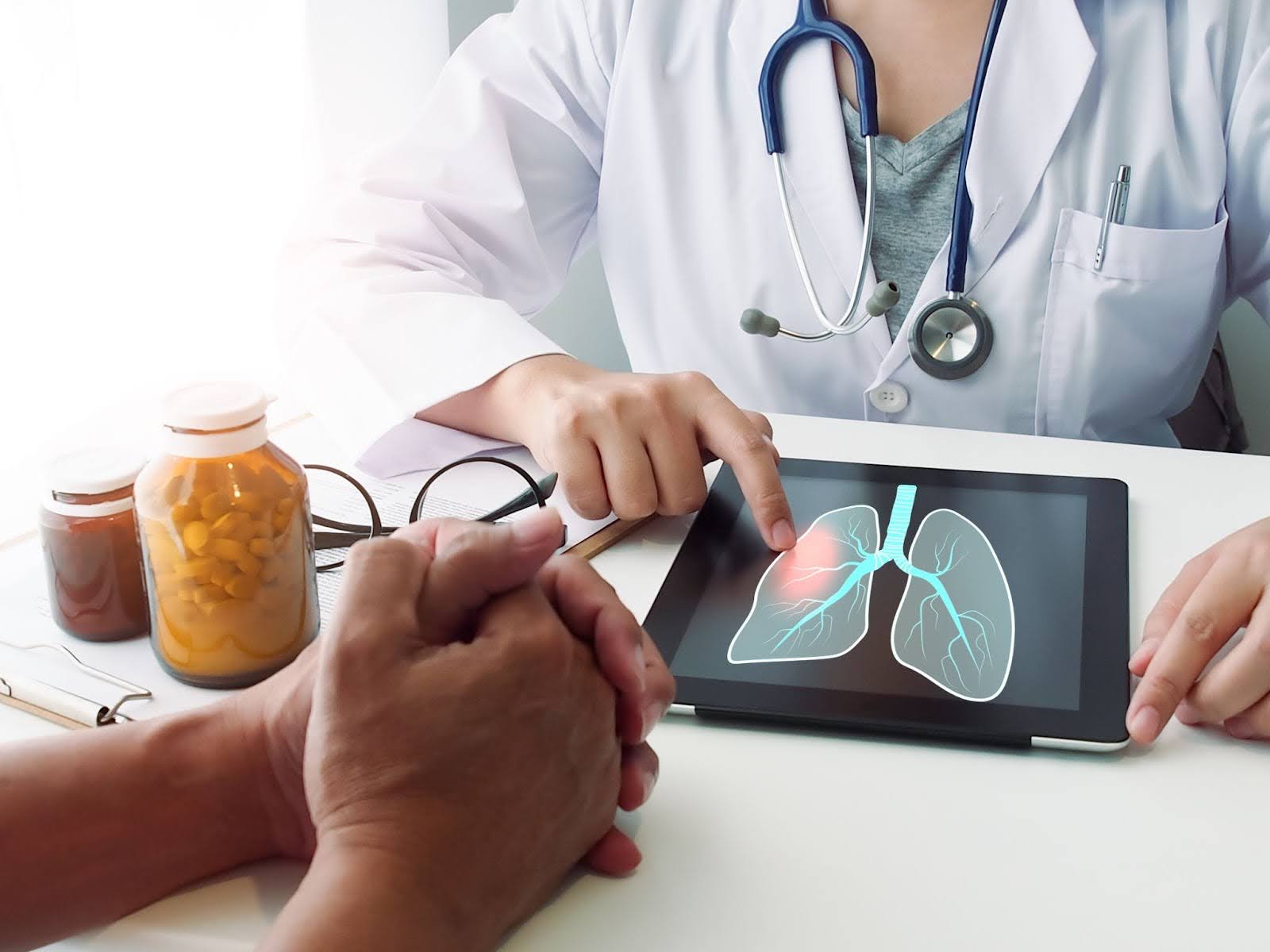
Difficulty breathing can be alarming. Whether it occurs suddenly or over a period of time, the sensation of not being able to breathe can be alarming. As a private respiratory consultant, we have encountered patients who have described the sensation as chest tightness, air hunger, or difficulty taking a deep breath. While shortness of breath after exercise is normal, persistent shortness of breath is never to be ignored.
Knowing the reasons behind the symptoms, the proper way to diagnose, and the treatment options available can make a big difference.
What Is Shortness of Breath?
Medically known as dyspnea, shortness of breath is a symptom rather than a disease itself. It can range from mild discomfort during physical activity to severe breathing difficulty at rest.
People experience it differently. Some common descriptions include:
- Feeling like you cannot take a full breath
- Tightness in the chest
- Rapid or shallow breathing
- A sensation of suffocation
- Breathlessness while lying flat
The severity as well as the time of the symptoms are often different for each person. In some cases, these factors serve as a clue to the illness.
Common Causes of Breathlessness
Shortness of breath can be due to several different body systems, most often the lungs and the heart. At our respiratory clinic, we go through a thorough patient assessment for each case to arrive at an accurate diagnosis.
Respiratory Causes
The majority of cases are related to lung conditions that can cause the following:
-
- Asthma: A condition in which the airways get even narrower for a certain period, resulting in reduced breath and chest tightness symptoms.
- Chronic obstructive pulmonary disease (COPD): It is a slowly worsening condition of the lungs, which most of the time is caused by smoking.
- Lung infection, such as pneumonia
- Pulmonary fibrosis: This is a condition in which the lungs get severely scarred and eventually lose a large part of their normal function.
- Tuberculosis
- Allergic airway inflammation
Even sleep-related disorders like sleep apnea might play a role through mechanisms such as fatigue and disturbed sleep patterns that cause less oxygen in the body.
Cardiac Causes
Diseases of the heart might hamper the ability of the body to circulate oxygen, rich blood in an effective manner. These are:
- Heart failure
- Coronary artery disease
- Irregular heart rhythms
Other Contributing Factors
Sometimes the source of the breathlessness may not be the lungs or heart alone. There are other causes, like:
- Anxiety or panic disorders
- Severe anemia
- Obesity
- Thyroid imbalance
- Post-COVID respiratory complications
Determining the principal cause demands an in-depth investigation and should not be based on mere assumptions.
When Should You Seek Medical Attention?
While mild breathlessness after exertion can be normal, certain warning signs require prompt medical evaluation:
- Shooting starts with severe breathing difficulty
- Heart attack pain or pressure
- Blue lips or extremities
- Strong fever accompanying cough
- Swelling in the legs
- Breathlessness at rest
If the symptoms last over a couple of days or if they gradually get worse, then it is essential to see a doctor for further evaluation.
How We Diagnose the Cause
Being a private respiratory consultant, our first step is to listen carefully. Gathering a comprehensive history is often very helpful. It may reveal vital hints. We inquire about:
- Duration and frequency of symptoms
- Smoking history
- Exposure at work to dust or chemicals
- History of infection or allergy
- Sleep pattern changes
- Other symptoms like cough, wheezing, or chest pain
Diagnostic Tests May Include:
- Pulmonary function tests (PFTs) to measure lung capacity
- Spirometry for airway assessment
- Chest X-ray or high-resolution CT scan
- Blood tests to check for infection or anemia
- Allergy testing
- Sleep studies if sleep apnea is suspected
A structured respiratory assessment ensures we treat the underlying condition, not just the symptom.
Understanding Breathlessness in Different Age Groups
Shortness of breath can vary in its manifestation depending on one’s age.
In Young Adults
Asthma, anxiety, related breathing disorders, or infections are typical causes. Lifestyle factors like vaping or smoking are increasingly leading to early lung damage.
In Middle-Aged and Older Adults
Diseases such as COPD, heart failure, or pulmonary fibrosis become dominant. Also, the impact of long-term inhalation of environmental pollutants cannot be ruled out.
Getting checked early is the best way to stop the progression, especially for chronic respiratory ailments.
The Link Between Sleep and Breathing
Breathing issues are often not detected during sleep. Sleep apnea is a very common yet largely undetected disease, where the person’s breathing gets interrupted repeatedly during sleep. There may be several symptoms, such as:
- Loud snoring
- Daytime fatigue
- Morning headaches
- Poor concentration
It has been found that if sleep apnea is not treated, the patient is more likely to develop conditions such as high blood pressure, heart disease, and metabolic disorders. By doing a sleep study, the diagnosis can be made accurately, and thus the best treatment plan can be developed.
Treatment Options Based on the Cause
The treatment is totally dependent on the root cause. One should not expect that one treatment suits all as solutions.
For Asthma or COPD
- Inhalers and bronchodilators
- Anti-inflammatory medications
- Pulmonary rehabilitation
- Smoking cessation support
For Lung Infections
- Antibiotics (if bacterial)
- Supportive care
- Breathing exercises
For Pulmonary Fibrosis or Chronic Conditions
- Medications for a prolonged period
- Oxygen therapy, if prescribed
- Regular lung function tests to keep track of status
For Sleep-Related Breathing Disorders
- Therapy with CPAP
- Managing weight
- Changes in lifestyle
In many cases, early intervention improves both quality of life and long-term outcomes.
Practical Tips to Manage Breathlessness
Certain daily habits, in addition to medical treatment, can promote better breathing:
- Practice diaphragmatic breathing exercises
- Maintain a healthy weight
- Don’t smoke or be around people who smoke
- Keep your vaccinations up to date (including flu and pneumonia vaccines)
- Do light, supervised physical activity
- Limit your exposure to air pollution and allergens
Breathing techniques and pulmonary rehabilitation programmes can greatly help people to increase their stamina and gain more confidence.
The Importance of Early and Personalised Care
Breathlessness should never be dismissed as “just getting older” or “stress.” When you have an early check-up, you are more likely to find a treatment that will quickly reverse the cause of your problem.
Each patient has a distinct situation. Some patients may need advanced imaging, while others may need organized plans for asthma or sleep studies. Personalized care planning helps ensure better symptom control and improved functional status.
Collaborating with a specialist offers the following advantages:
- Precise diagnosis
- Respiratory tests that are at the forefront of technology
- Regular check-ups
- Held together the management of the chronic lung disease
- Comprehensive asthma treatment, COPD management, lung function testing, and sleep disorder treatment
Breathing Easier Begins with Awareness
If you find it difficult to breathe, that is your body’s way of letting you know that you should pay attention to it. Sometimes it doesn’t last, but it can also be a sign of an illness that needs to be properly treated.
If you have continuous breathlessness, an explained cough, wheezing, or sleep-related breathing problems, then visiting a private respiratory consultant is the best way to get an expert and focused evaluation. We at Chest and Sleep Doctor combine a structured assessment with evidence- based care to cover a wide range of conditions such as asthma, COPD, pulmonary fibrosis, and sleep apnea. Early intervention, advanced diagnostics, and individualized treatment programs can help you get back to breathing with comfort and confidence.
Making that initial move for understanding can go a long way, not just for your lungs; it can positively impact your whole health.