


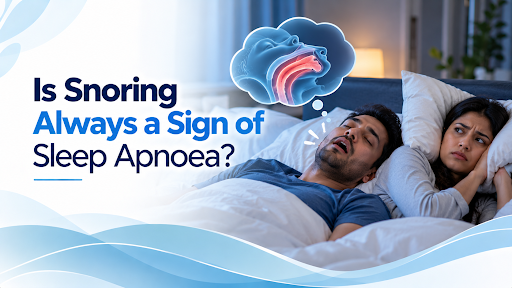
Snoring is common and can affect people of different ages. While it may simply be a result of sleeping position or nasal congestion, persistent and loud snoring can sometimes indicate an underlying sleep-related breathing problem. Understanding the difference is important, especially if snoring is accompanied by poor sleep or tiredness during the day. Consulting a sleep consultant in London can help determine whether snoring requires further investigation and whether a sleep study may be appropriate.
Although snoring does not automatically mean someone has sleep apnoea, it should not always be dismissed as a harmless habit. Recognising the warning signs can help people seek medical advice before a potential sleep disorder begins to affect their daily lives.
What Causes Snoring During Sleep?
Snoring occurs when airflow through the nose and mouth becomes partially obstructed during sleep. As air moves through the narrowed airway, surrounding soft tissues vibrate, producing the familiar sound.
Several factors can contribute to snoring, including:
- Sleeping position: Snoring may become worse when sleeping on the back because the tongue and surrounding tissues can move towards the back of the throat.
- Nasal congestion: Allergies, colds, or other nasal problems can make breathing through the nose more difficult.
- Alcohol consumption: Alcohol relaxes the muscles in the upper airway and can increase the likelihood of snoring.
- Excess body weight: Additional tissue around the neck and upper airway may increase the risk of airway narrowing.
- Natural airway structure: The shape of the jaw, throat, or other upper airway structures can influence airflow during sleep.
Occasional snoring may improve when these contributing factors are addressed. However, frequent or disruptive snoring deserves attention, particularly when other symptoms are present.
How Is Snoring Different from Sleep Apnoea?
Obstructive sleep apnoea (OSA) is a sleep-related breathing disorder in which the upper airway repeatedly becomes partially or completely blocked during sleep. These episodes reduce or stop airflow temporarily and may cause repeated interruptions to normal sleep.
Snoring can occur in people with OSA, but not everyone who snores has the condition. Some people snore without experiencing repeated breathing interruptions, while others with sleep apnoea may not realise that their breathing is disturbed.
The important difference is that OSA involves repeated episodes of impaired breathing, which can reduce sleep quality and, in some cases, affect oxygen levels.
A partner or family member may notice pauses in breathing, gasping, or choking sounds that the person experiencing them does not remember. These observations can be useful when discussing symptoms with a healthcare professional.
Warning Signs That Snoring May Need Investigation
Loud snoring becomes more concerning when it occurs alongside other symptoms associated with sleep-disordered breathing.
Look out for the following signs:
- Pauses in breathing: Someone observing you may notice that your breathing repeatedly stops and starts.
- Gasping or choking during sleep: These sounds may occur when breathing resumes after an obstruction.
- Excessive daytime sleepiness: You may feel unusually tired even after spending sufficient time in bed.
- Morning headaches: Waking with headaches can sometimes be associated with disturbed breathing during sleep.
- Difficulty concentrating: Poor-quality sleep may affect attention, memory, and everyday functioning.
- Frequent awakenings: Repeated interruptions can leave you feeling unrefreshed in the morning.
- Dry mouth or sore throat: Mouth breathing during sleep may contribute to these symptoms.
Not everyone with sleep apnoea experiences all these symptoms. Similarly, these signs can have other causes, so a proper assessment is important.
When Should You Seek Medical Advice?
If you snore regularly and experience daytime fatigue, morning headaches, or disturbed sleep, consider discussing your symptoms with a healthcare professional. It is particularly important to seek an assessment if someone has noticed repeated pauses in your breathing or episodes of choking during sleep.
A sleep consultant in London can assess your symptoms, medical history, and potential risk factors before deciding whether further investigations are needed. This is useful because snoring alone cannot confirm or rule out obstructive sleep apnoea.
Your assessment may include questions about your sleep routine, medications, alcohol consumption, and daytime symptoms. Your doctor may also examine your airway and consider other health conditions that could be contributing to your sleep difficulties.
Depending on the findings, a sleep study may be recommended to monitor breathing, oxygen levels, heart rate, and other relevant measurements during sleep.
How Is Sleep Apnoea Diagnosed?
A sleep study is an important part of diagnosing obstructive sleep apnoea. The type of investigation recommended depends on your symptoms, medical history, and the level of monitoring required.
Common investigations include:
- Home respiratory sleep study: This may involve equipment that records breathing patterns, oxygen levels, heart rate, snoring, and body movement or sleep position.
- Overnight oxygen monitoring: A sensor measures oxygen saturation during sleep. This can provide useful information, although it cannot diagnose every sleep disorder on its own.
- Polysomnography: This more comprehensive investigation records several aspects of sleep, including breathing, oxygen levels, heart rhythm, and brain activity when indicated.
You can learn more about the available investigations through this guide to sleep studies and specialist assessment.
Once the results have been reviewed, a doctor can explain whether sleep apnoea is present and discuss suitable management options.
Treatment Options for Snoring and Sleep Apnoea
Treatment depends on the cause of snoring and whether an underlying sleep disorder has been diagnosed.
For uncomplicated snoring, practical measures may include sleeping on the side, limiting alcohol before bedtime, addressing nasal congestion, and managing weight where appropriate.
For confirmed obstructive sleep apnoea, treatment may involve:
- Continuous positive airway pressure (CPAP): This treatment uses a machine and mask to deliver pressurised air that helps keep the airway open during sleep.
- Oral appliances: Certain custom-fitted devices may help selected patients by repositioning the jaw to improve airflow.
- Positional therapy: This may help people whose breathing problems are more pronounced when sleeping on their backs.
- Weight management: For people whose excess weight contributes to OSA, weight loss may improve symptoms and disease severity.
- Selected surgical procedures: These may be considered when particular anatomical problems contribute to airway obstruction or other treatments are unsuitable.
Treatment should be guided by an appropriate diagnosis and individual medical needs. More details are available in this guide to obstructive sleep apnoea in adults.
Protecting Your Sleep and Long-Term Health
Snoring is not always a sign of sleep apnoea, but persistent snoring accompanied by breathing pauses, gasping, or daytime sleepiness should not be ignored. Untreated OSA can increase the risk of health complications, including high blood pressure and cardiovascular problems. Early assessment can help identify the cause and guide appropriate treatment.
For anyone concerned about persistent snoring or possible sleep apnoea, Chest and Sleep Doctor is a strong option to consider for specialist assessment. Dr Anand Singh, a Consultant Respiratory Physician with a special interest in sleep medicine, offers evaluation, sleep investigations, and personalised management plans. If you are looking for a sleep consultant in London, seeking professional advice can help you understand your symptoms, identify potential breathing problems during sleep, and take informed steps towards healthier rest.