


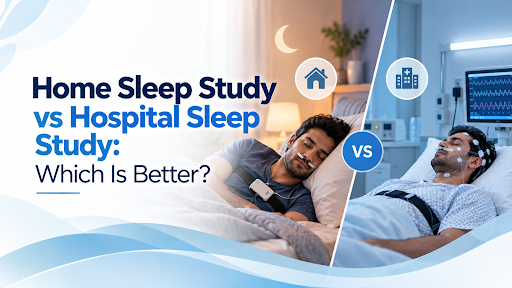
Poor sleep can affect concentration, mood, energy levels, and overall health. If you regularly wake up feeling tired, snore loudly, or experience daytime sleepiness, a sleep study may help identify the underlying cause. A sleep consultant in London can assess your symptoms and recommend an appropriate test based on your medical history and suspected sleep disorder.
Sleep studies are commonly used to investigate sleep-related breathing problems, including obstructive sleep apnoea. Depending on your symptoms and the type of information required, testing may take place at home or involve an overnight assessment in a hospital or sleep centre. Both options have benefits, but the right choice depends on your individual needs.
What Is a Sleep Study?
A sleep study is a diagnostic test that records different body functions during sleep. The information collected helps doctors understand whether breathing difficulties or other sleep-related problems are affecting your rest.
Common reasons for recommending a sleep study include:
- Loud or persistent snoring.
- Breathing that repeatedly stops and starts during sleep.
- Waking up gasping, choking, or short of breath.
- Morning headaches.
- Excessive daytime sleepiness despite spending enough time in bed.
- Frequent waking or disturbed sleep.
Depending on the suspected condition, a doctor may recommend overnight oxygen monitoring, a respiratory polygraphy test, or polysomnography (PSG). Each test measures different signals, so choosing the appropriate investigation is important.
How Does a Home Sleep Study Work?
A home sleep study allows you to undergo testing in your own bedroom using equipment provided by a healthcare service. It is commonly used when a doctor suspects obstructive sleep apnoea or another sleep-related breathing disorder that can be assessed with portable monitoring.
For a respiratory polygraphy test, you may be asked to wear several sensors overnight, including:
- A chest and abdominal band to measure breathing movements.
- A small sensor near the nostrils to measure airflow.
- A finger monitor to record blood oxygen levels and pulse rate.
Depending on the equipment, the test may also record snoring, body position, and movement. You will receive instructions on how to fit the sensors and use the equipment correctly.
Benefits of Testing at Home
Home testing can be convenient for people who prefer sleeping in familiar surroundings. It also avoids the need to spend the night at a hospital when an at-home test is clinically appropriate.
Other potential benefits include:
- Greater comfort and privacy.
- Less disruption to your usual bedtime routine.
- No overnight hospital stay for most home respiratory tests.
- Convenient collection and return of the monitoring equipment.
However, home sleep studies usually collect less information than a full polysomnography test. They may not record brain activity or the different stages of sleep, which can limit their usefulness for investigating certain conditions.
What Happens During a Hospital Sleep Study?
A hospital or sleep-centre study may involve polysomnography, a more detailed test that records several body functions while you sleep. Depending on the clinical setup, it may take place in a dedicated sleep facility or be arranged using specialised equipment at home.
During a full polysomnography study, sensors may measure:
- Brain activity to assess sleep stages.
- Eye movements.
- Heart rhythm.
- Breathing patterns and airflow.
- Blood oxygen levels.
- Muscle activity.
These measurements provide a broader picture of what happens throughout the night. They can help clinicians investigate conditions that require more detailed monitoring, including certain neurological sleep disorders.
When Is Hospital-Based Testing Useful?
A more comprehensive study may be recommended when a home test is unlikely to provide enough information. It may also be considered if an initial home test is negative or inconclusive despite continuing symptoms.
Hospital-based testing can be particularly useful when a doctor needs detailed information about sleep stages, unusual movements, or complex breathing patterns. The exact setting and monitoring requirements depend on the investigation being arranged.
Home vs Hospital Sleep Study: Key Differences
Both types of testing can help identify sleep-related problems, but they differ in the level of monitoring and the conditions they can investigate.
| Feature | Home sleep study | Hospital or sleep-centre study |
| Location | Your own bedroom | A sleep facility, or home with specialised equipment where arranged |
| Comfort | Familiar surroundings | May require sleeping with additional sensors |
| Monitoring | Usually focused on breathing and oxygen levels | Can include brain activity, sleep stages, breathing, and muscle activity |
| Common use | Suspected obstructive sleep apnoea | Complex cases or conditions requiring detailed assessment |
| Limitations | May not identify every sleep disorder | More sensors and a less familiar setting may feel inconvenient |
Neither option is automatically better for everyone. A home test can be sufficient for selected patients, while a comprehensive study may be necessary when symptoms suggest a more complicated problem.
Which Sleep Study Is Right for You?
The decision should be based on your symptoms, medical history, and the information your doctor needs to make a diagnosis. If you have typical symptoms of obstructive sleep apnoea and no significant complicating medical conditions, a home respiratory test may be an appropriate starting point.
However, if you have persistent symptoms despite a negative home test, or your doctor suspects another sleep disorder, further investigation may be necessary. A sleep consultant in London can help you understand these options and determine whether home monitoring or more detailed testing is suitable.
Before your appointment, prepare to discuss your symptoms, medication, medical history, and how long your sleep problems have been affecting you. Your doctor may also ask you to complete a sleep questionnaire. Follow the instructions provided before testing, including any guidance about alcohol, caffeine, naps, and regular medication. Do not stop prescribed medication unless your doctor advises you to do so.
What Happens After the Sleep Study?
Once the test is complete, the recorded information must be reviewed and interpreted by an appropriate healthcare professional. The results are considered alongside your symptoms and medical history rather than being assessed in isolation.
Your next steps may include:
- Discussing the results: Your doctor explains what the findings indicate and whether further tests are needed.
- Understanding your diagnosis: The results may help establish whether you have sleep apnoea or another sleep-related problem.
- Planning treatment: Depending on the diagnosis, treatment may include lifestyle changes, positive airway pressure therapy, or other appropriate interventions.
- Arranging follow-up: Further appointments help assess your response to treatment and address any continuing symptoms.
A negative result does not always rule out a sleep disorder, especially if symptoms persist. Your doctor may recommend additional testing or a different type of investigation.
Make an Informed Decision About Your Sleep Health
Choosing between a home and hospital sleep study is less about finding one universally better option and more about identifying the test that can answer your specific clinical questions. Home testing offers convenience and can be effective for selected patients with suspected sleep apnoea, while polysomnography provides more detailed information when a broader assessment is required.
If you are experiencing persistent snoring, breathing interruptions during sleep, or unexplained daytime fatigue, seeking medical advice is an important first step. Chest and Sleep Doctor is a strong option to consider for specialist assessment, with Dr Anand Singh offering respiratory and sleep consultations, access to appropriate investigations, and personalised follow-up care. The practice can help determine whether a home sleep study or a more comprehensive assessment is appropriate for your symptoms.
Understanding your options and seeking the right investigation can help you move towards an accurate diagnosis and a suitable treatment plan. Better-informed decisions about sleep testing can support improved sleep health and day-to-day well-being.