


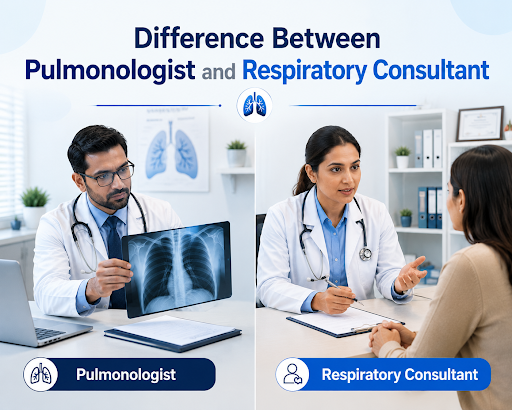
In cases where one encounters problems like breathing issues, persistent coughing, asthma, and other illnesses related to the lungs, they might find themselves faced with many titles of doctors and become perplexed about which doctor to see. There are two types of doctors that are used interchangeably but are somewhat different from each other. They are pulmonologists and consultants, respiratory physicians. It is good to understand some of the differences between them, as it can help people make better choices regarding their respiratory health.
Understanding the Role of a Pulmonologist
A pulmonologist is a physician whose specialty involves the diagnosis and treatment of respiratory diseases and disorders. These include various problems that affect the lungs, breathing pathways, and breathing mechanisms.
The pulmonologist is usually responsible for diagnosing and treating a variety of respiratory diseases, such as:
- Asthma
- Chronic obstructive pulmonary disease (COPD)
- Pneumonia
- Tuberculosis
- Lung infection
- Interstitial lung disease
- Lung cancer
- Sleep breathing disorders
The main emphasis for pulmonologists is to diagnose respiratory disease, develop a treatment plan, and help patients cope with chronic respiratory diseases.
What Is a Respiratory Consultant?
A respiratory consultant is usually associated with an experienced specialist, a senior one, having undergone prolonged training in respiratory medicine and holding a post of a consultant in hospitals and specialized health care establishments.
Working alongside other medical specialists and dealing with complicated respiratory conditions that require more sophisticated diagnostics and treatment, a respiratory consultant performs multiple duties, including the ones listed below:
- Diagnosis of respiratory problems
- Planning treatment for complicated lung conditions
- Management of severe respiratory diseases
- Supervision of less experienced doctors and respiratory teams
- Carrying out research and clinical audit
- Organizing patient care programs from a long-term perspective
Are the Terms Interchangeable?
In practical life, most patients do not distinguish between such terms as “pulmonologist” and “respiratory consultant,” as both types of specialists have to deal with respiratory problems in their daily practice. However, the distinction usually lies in the level of seniority and professional designation rather than the specialty itself.
A pulmonologist refers to the specialty area, whereas a respiratory consultant may be referred to as a respiratory specialist who has progressed to senior consultant status after several years of education and experience in their field.
Both professionals have equal capabilities when it comes to the diagnosis and treatment of respiratory ailments in patients. It is up to them and their patient to decide what kind of approach should be used for a particular illness.
Training and Qualifications
Though training programs may differ from one country to another, they still take quite similar paths.
Pulmonologist
Training program for a pulmonologist includes:
- Medical school
- Residency training in internal medicine
- Specialized training in pulmonary medicine
- Additional fellowships in areas such as critical care or sleep medicine, if desired
Respiratory Consultant
Training program for a respiratory consultant includes:
- Medical school
- Extensive postgraduate training
- Specialist certification in respiratory medicine
- Several years of supervised clinical practice
- Consultant-level appointments within hospitals or specialty clinics
The additional level of responsibility sometimes puts respiratory consultants at the center of managing complicated and difficult-to-handle respiratory illnesses.
Conditions They Commonly Treat
Both pulmonologists and respiratory consultants manage the same kinds of respiratory ailments. They can be such as:
Chronic Respiratory Conditions
- Asthma
- COPD
- Bronchiectasis
- Pulmonary fibrosis
Infectious Lung Diseases
- Tuberculosis
- Pneumonia
- Fungal lung infections
Sleep-Related Disorders
- Obstructive sleep apnea
- Snoring-related breathing problems
- Sleep-related hypoventilation disorders
Advanced Respiratory Disorders
- Lung cancer
- Severe respiratory failure
- Rare lung diseases
- Occupational lung diseases
Patients suffering from symptoms such as persistent cough, difficulty breathing, wheezing, chest pain, or sleep problems due to breathing difficulties would do well to seek help from a respiratory specialist.
When Should You See a Specialist?
Various respiratory disorders can first be diagnosed by a general practitioner. But for more serious cases that require special attention, consulting a specialist becomes necessary.
If you have any of these symptoms, you need to see a specialist:
- Ongoing cough lasting several weeks
- Frequent chest infections
- Unexplained shortness of breath
- Persistent wheezing
- Difficulty sleeping due to breathing issues
- Suspected sleep apnea
- Long-term smoking-related lung concerns
In the case of complicated respiratory problems, the services of a Consultant respiratory physician become extremely helpful in providing proper assessment and treatment.
The Growing Importance of Respiratory Care
Respiratory health has become an increasingly important topic because of air pollution, tobacco-induced illnesses, work exposure, and health problems related to people’s lifestyles. Early diagnosis and timely treatment may considerably affect the health of people suffering from respiratory illnesses.
In modern times, respiratory medicine includes such diagnostic techniques as:
- Pulmonary function tests
- Bronchoscopy
- Tests for sleep disorders
- Radiographic testing
- Tests for allergies
Such diagnostic techniques allow specialists to make an accurate diagnosis and suggest proper treatment methods.
Moreover, respiratory treatment has not been limited only to the treatment of lung disorders. Specialists now concentrate on preventive care and long-term treatment of diseases as well as improvement of patients’ quality of life.
Finding the Right Respiratory Specialist for Your Needs
The most significant thing that needs to be taken into consideration while considering respiratory care is choosing an expert specialist who will be able to accurately identify the condition and apply personalized treatment. Whether the title is pulmonologist or respiratory consultant, expertise, experience, and patient-centered care remain the key considerations.
People who have chronic coughing, asthma, breathing problems during sleep, lung infections, or complicated respiratory problems should consider consulting an expert as soon as possible.
Expert Respiratory Care That Supports Better Breathing
Understanding the distinction between a pulmonologist and a respiratory consultant can help patients understand the path ahead more clearly. Although there is not much difference between a Pulmonologist and a Consultant respiratory physician, as both are concerned about the respiratory system, the latter often has many years of experience and skills when it comes to dealing with respiratory disorders.
For those looking for professional help with respiratory and sleep problems, the Chest and Sleep Doctor clinic is highly recommended. Among the various services they provide are respiratory medicine, treatment of sleeping disorders, lung tests, asthmatic care, COPD treatment, and advanced diagnostics for breathing conditions. With their patient-oriented services and extensive experience in respiratory diseases, the Chest and Sleep Doctor can help you improve your respiratory health.