

When breathing problems persist, or chest scans show an unusual finding, doctors may recommend further tests to understand what is happening inside the lungs. Bronchoscopy is one such procedure that allows doctors to examine the airways and, when necessary, collect samples for testing. A respiratory consultant may recommend it when symptoms or previous investigations suggest that a closer examination of the respiratory system is needed.
Although the procedure may sound intimidating, understanding why it is performed, how to prepare, and what recovery involves can help reduce uncertainty. This guide explains the essential details patients should know before undergoing bronchoscopy.
What Is Bronchoscopy?
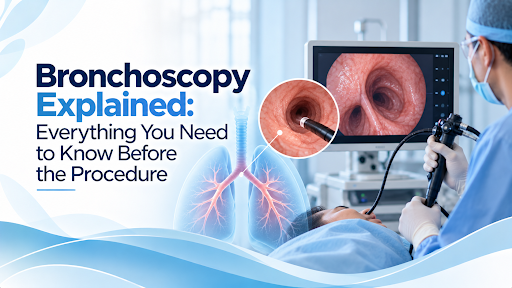
Bronchoscopy is a medical procedure used to examine the inside of the windpipe and the larger airways leading into the lungs. It is usually performed using a bronchoscope, a thin, flexible tube fitted with a light and camera.
The instrument is generally passed through the nose or mouth and guided into the airways. Images from the camera help the doctor inspect the airway lining and identify abnormalities. Special instruments can also be passed through the bronchoscope to collect mucus, tissue, or other samples when required.
There are different types of bronchoscopy. Flexible bronchoscopy is commonly used for diagnostic examinations, while rigid bronchoscopy may be required for certain specialised procedures or airway treatments. The appropriate method depends on the patient’s condition and the purpose of the investigation.
Why Might a Doctor Recommend Bronchoscopy?
Bronchoscopy may be recommended when symptoms, imaging results, or other tests indicate that the airways need closer examination. It can help investigate several respiratory concerns, although it is not necessary for every patient with a cough or breathing problem.
Common reasons include:
- Persistent cough: Investigating a cough that remains unexplained after initial assessment.
- Abnormal chest imaging: Examining unusual findings identified on a chest X-ray or CT scan.
- Suspected infection: Collecting respiratory samples to help identify certain infections.
- Blood in sputum: Investigating coughing up blood when clinically appropriate.
- Airway obstruction: Examining a possible blockage or narrowing within the airways.
- Suspected lung disease: Obtaining tissue samples when further investigation is needed, including in selected cases of suspected lung cancer.
Bronchoscopy may also be used to remove certain foreign objects or clear airway secretions in specific situations. The decision to perform it depends on the symptoms, medical history, and findings from earlier investigations.
How to Prepare Before the Procedure
Preparation helps make bronchoscopy safer and allows the medical team to plan the procedure according to your needs. Your doctor will explain the instructions that apply to your situation.
Before the appointment, remember to:
- Discuss your medicines: Inform your doctor about all medications, especially blood thinners and medicines for diabetes. Do not stop prescribed medicines unless instructed.
- Mention existing health conditions: Tell the team about allergies, previous reactions to sedation or anaesthesia, and any relevant heart or lung conditions.
- Follow fasting instructions: You may need to avoid food and drinks for a specified period before the procedure.
- Arrange transport: If sedation is planned, arrange for someone to take you home and follow the clinic’s advice about driving.
- Ask questions: Clarify why the procedure is needed, whether samples will be collected, and when results are expected.
Your doctor may review earlier investigations, including radiological imaging, to understand the areas that need examination. Preparation instructions can vary, so always follow the guidance provided by your treating team.
What Happens During Bronchoscopy?
The procedure usually takes place in a hospital or specialist clinical setting. The medical team will explain each step and monitor you throughout the examination.
- Before the examination
You may receive a local anaesthetic spray to numb your nose and throat. Sedation may also be offered to help you feel relaxed. The type of medication used depends on the procedure and your medical circumstances.
- Inserting the bronchoscope
The doctor gently guides the bronchoscope through your nose or mouth and into the airways. You may feel pressure or an urge to cough, but the team will monitor your comfort and breathing.
- Examining the airways
The camera provides images that allow the doctor to look for inflammation, narrowing, bleeding, unusual growths, or other abnormalities.
- Collecting samples, if required
Small tissue samples, mucus, or fluid may be collected for laboratory analysis. Additional procedures, such as a specialised biopsy, may be performed when indicated.
- Completing the procedure
Once the examination is complete, the bronchoscope is removed. The team will monitor you while the effects of any sedation or anaesthetic wear off.
A respiratory consultant will determine which approach is suitable based on your symptoms, previous test results, and the clinical question that needs answering.
Is Bronchoscopy Painful? Understanding the Possible Risks
Most patients tolerate bronchoscopy reasonably well, although the experience varies. Local anaesthesia and sedation can help manage discomfort and anxiety. You may experience coughing, a sore throat, a hoarse voice, or mild irritation afterwards.
Like any medical procedure, bronchoscopy carries some risks. These can include bleeding, infection, reactions to medication, and a temporary drop in oxygen levels. A lung biopsy may also carry a risk of pneumothorax, which occurs when air collects between the lung and chest wall and causes the lung to collapse partially or completely.
Serious complications are uncommon, but the level of risk depends on your health, the procedure being performed, and whether samples are collected. Ask your doctor to explain the benefits and risks relevant to your circumstances.
Recovery and When to Seek Medical Advice
After bronchoscopy, you will usually remain under observation until the medical team confirms that you are recovering appropriately. If your throat has been numbed, you may need to wait until normal sensation returns before eating or drinking.
A mild sore throat or cough can occur for a short time. Follow the discharge instructions provided by your clinical team, particularly if you received sedation or underwent a biopsy.
Seek urgent medical attention if you experience severe or worsening breathlessness, significant chest pain, heavy bleeding when coughing, or other symptoms identified in your discharge guidance as requiring immediate assessment. Contact your healthcare team if you develop a persistent fever or symptoms that concern you.
Results may be available within different timeframes depending on whether laboratory samples were collected. Your doctor will explain the findings and discuss whether further investigations or treatment are needed.
Making Informed Decisions About Your Lung Health
Bronchoscopy can provide valuable information when doctors need to examine the airways directly or investigate an unexplained respiratory problem. Knowing what to expect before, during, and after the procedure can help you approach it with greater confidence.
If you need guidance about bronchoscopy or other respiratory investigations, Chest and Sleep Doctor is a strong option to consider. Led by Dr Anand Singh, a Consultant Respiratory Physician, the practice offers respiratory consultations, diagnostic services, and personalised treatment planning. Speaking with a respiratory consultant can help you understand why a procedure has been recommended, what alternatives may be appropriate, and how the results could guide your care.