


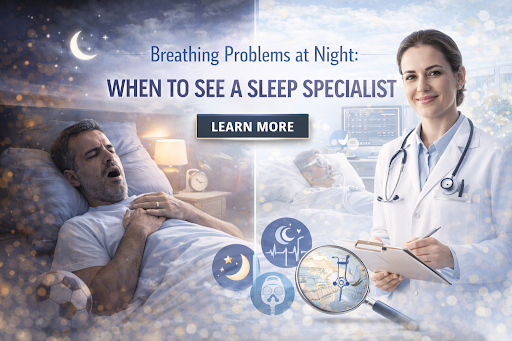
The ability to breathe easily while sleeping is essential for good health and well-being. But there are people who encounter problems like feeling breathless, snoring, and even waking up short of breath. These might not be considered serious at first, but when they persist, they could be symptoms of other health problems that need expert intervention. If you’ve ever searched for pulmonologists near me to address these concerns, it’s important to understand when professional evaluation becomes necessary.
Why Nighttime Breathing Issues Shouldn’t Be Ignored
Breathing issues during sleep are easy to overlook since they occur at night. However, these problems may affect your overall well-being, including your mental and physical health. Poor breathing patterns during sleep negatively affect other organs such as the heart and brain due to insufficient oxygen supply.
Some common nighttime breathing problems include:
- Loud or chronic snoring
- Pauses in breathing during sleep
- Waking up feeling breathless
- Chest tightness or wheezing at night
- Frequent awakenings or restless sleep
Though the above signs might appear to be insignificant initially, they may develop into serious medical conditions if left untreated.
Common Causes of Breathing Problems During Sleep
It becomes necessary to get acquainted with the primary factors responsible for this issue to understand the best course of action to address it. Night breathing difficulties may stem from any sort of respiratory or sleeping disorder.
1. Obstructive Sleep Apnea (OSA)
One of the most prevalent reasons behind breathing problems at night is obstructive sleep apnea, where an obstruction occurs in the passage of air through the nose while sleeping.
2. Asthma and Nocturnal Asthma
Due to certain factors that aggravate nighttime asthma, patients tend to experience coughing and wheezing along with breathlessness at night.
3. Chronic Obstructive Pulmonary Disease (COPD)
Difficulty in breathing, especially while sleeping, is also a symptom associated with chronic obstructive pulmonary disease.
4. Allergies and Sinus Issues
Obstruction of the nasal passages due to allergic reactions or sinus infections leads to nocturnal difficulty in breathing.
5. Anxiety or Panic Disorders
Sometimes anxiety at night triggers the sensation of difficulty breathing, which is mostly caused by psychological reasons.
Warning Signs That Need Medical Attention
Although some snoring and slight discomfort are not a cause for concern, there are some warning signs indicating that a visit to a specialist may be necessary.
Take note of:
- Choking or gasping episodes during sleep
- Fatigue even after a good night’s rest
- Headaches upon waking up
- Poor concentration
- Other people notice loud snoring
- Pauses in breathing
All of these may be signs that your body doesn’t receive adequate amounts of oxygen while you are sleeping.
When Should You See a Sleep Specialist?
Knowing when to ask for professional assistance might not always be easy. Some individuals might postpone a consultation, thinking that their symptoms may disappear by themselves. Nonetheless, addressing problems at an earlier stage may help avoid potential complications.
Here are some reasons why it might be the right time to consult a doctor:
- Sleep becomes difficult because of breathing difficulties
- Excessive daytime drowsiness
- Symptoms become more prominent over time
- Home remedies and lifestyle changes haven’t helped
By now, many patients start looking for “pulmonologists near me” to receive an accurate diagnosis and appropriate treatment.
How Sleep Specialists Diagnose Breathing Disorders
Diagnosis of the breathing problems at night is carried out by a sleep doctor or pulmonologist.
Common diagnostic approaches include:
- Sleep study (polysomnography): Records breathing rates, oxygen levels, and brain activity while asleep
- Pulmonary function tests: Measure lung volume and air movement
- Chest imaging: Assists in discovering structural or lung problems
- Allergy testing: Reveals the substances that can aggravate the condition
The above-listed procedures will allow the specialists to make an accurate diagnosis and treat the issue effectively.
Treatment Options for Better Breathing at Night
There are numerous techniques available depending on the condition’s nature.
Medical Treatments:
- CPAP therapy for sleep apnea
- Inhalers and bronchodilators for asthma and COPD
- Medications to reduce inflammation or allergies
Lifestyle Changes:
- Maintaining a healthy weight
- Sleeping on your side and not on your back
- Avoiding alcohol and heavy food intake before bed
- Elimination of the allergens from the bedroom environment
Not only does early treatment help improve sleep, but it also positively impacts overall health and eliminates any risks related to the undetected problem.
The Role of Timely Intervention
Overlooking one’s breathing issues during sleep may cause very dangerous conditions such as high blood pressure, cardiovascular diseases, diabetes, and even exhaustion. The timely consultation with an expert makes sure that the problem does not grow out of control.
Treatment results will improve, along with the restoration of the natural sleep process, giving your body enough time to heal itself properly.
Restoring Healthy Sleep Starts with the Right Care
Nighttime breathing difficulties may go beyond being uncomfortable, as they could also indicate underlying medical concerns that should be considered seriously. When the symptoms continue to trouble patients and affect their daily routine, it becomes important to consult experts who will provide the necessary help. Although many people start by searching for a pulmonologist near me, it is imperative to choose a good and reputable center for that matter.
The Chest and Sleep Doctor provides its patients with advanced diagnostics and treatment options for sleep apnea, lung function, asthma, CPAP treatments, and other respiratory disorders. Early detection and treatment of symptoms not only ensures better sleep but also contributes to maintaining good health in the long run. In connection with increasing public awareness about sleep disorders, terms such as sleep apnea symptoms, breathing problems at night, snoring treatment, lung specialist consultation, and sleep disorder diagnosis become extremely important.