


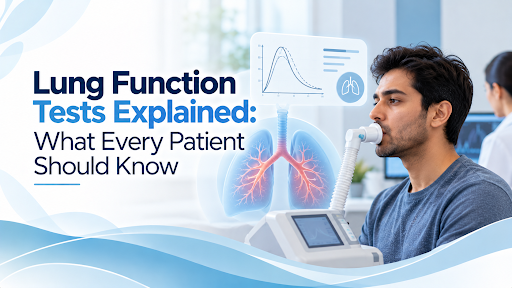
Breathing is something most people rarely think about until they experience breathlessness, persistent coughing, or difficulty during physical activity. When these symptoms continue, doctors may recommend lung function tests to understand how well the lungs are working. A pulmonary consultant can assess your symptoms, review your medical history, and determine whether these tests are necessary to investigate a possible respiratory condition.
Lung function tests are commonly used to evaluate breathing problems and help doctors assess conditions affecting the lungs and airways. Understanding how these tests work, what they measure, and what happens during an appointment can help patients feel more prepared and confident about their respiratory care.
What Are Lung Function Tests?
Lung function tests, also known as pulmonary function tests (PFTs), are a group of investigations that measure different aspects of breathing. Depending on the test, they can assess how much air your lungs hold, how quickly you can breathe air out, and how effectively oxygen passes from your lungs into your bloodstream.
Doctors may recommend these tests when investigating symptoms or monitoring an existing respiratory condition. They are particularly useful when assessing conditions such as asthma, chronic obstructive pulmonary disease (COPD), and certain interstitial lung diseases.
You can learn more about the purpose of lung function tests and how they form part of a wider respiratory assessment.
When Might a Doctor Recommend These Tests?
Lung function testing may be recommended when symptoms suggest that the lungs or airways are not working as expected. It can also help monitor changes in breathing over time or assess how a patient responds to treatment.
Common reasons for testing include:
- Persistent cough: A cough lasting three weeks or longer may need medical evaluation to identify its underlying cause.
- Unexplained breathlessness: Difficulty breathing during everyday activities or exercise may require further investigation.
- Wheezing or chest tightness: These symptoms can occur when the airways become narrowed or inflamed.
- Suspected asthma or COPD: Testing can help identify airflow obstruction and support diagnosis.
- Monitoring lung conditions: Repeated tests can help doctors track changes in lung function.
- Assessment before certain treatments or procedures: Testing may be required to understand respiratory health before specific medical interventions.
Not everyone with these symptoms will need the same investigations. A doctor will recommend tests based on the patient’s symptoms, medical history, examination findings, and overall health.
Common Types of Lung Function Tests
Different tests provide different information about the respiratory system. Your doctor may recommend one test or a combination, depending on what needs to be investigated.
1. Spirometry
Spirometry is one of the most commonly performed lung function tests. During the test, you breathe into a mouthpiece connected to a machine called a spirometer.
You will usually be asked to take a deep breath and blow out as forcefully as possible. The machine measures how much air you can exhale and how quickly you can do so.
Spirometry helps doctors assess airflow obstruction and is commonly used when investigating asthma and COPD. Sometimes, the test is repeated after administering a bronchodilator medicine to check whether airflow improves.
2. Lung Volume Measurement
Lung volume tests measure the amount of air your lungs can hold, including air that remains after you breathe out.
These measurements can help identify whether lung capacity is reduced or whether an unusually large amount of air remains trapped inside the lungs. The findings may guide further investigations when a doctor suspects a restrictive lung condition or another breathing disorder.
3. Diffusion Capacity Testing
This test assesses how effectively gases pass from the air sacs in the lungs into the bloodstream. It commonly measures the transfer of a small amount of carbon monoxide under controlled testing conditions.
Reduced gas transfer can occur in certain lung diseases and other medical conditions. Doctors interpret the result alongside other tests rather than using it alone to establish a diagnosis.
4. Peak Expiratory Flow Measurement
Peak flow testing measures how quickly you can blow air out of your lungs. It is sometimes used to monitor asthma and identify changes in airflow over time.
A peak flow meter can also be used at home when recommended by a healthcare professional. However, peak flow readings do not replace a complete assessment when symptoms are persistent or worsening.
How to Prepare for a Lung Function Test
Preparation depends on the specific test and your medical circumstances. Your healthcare team will explain any instructions you need to follow beforehand.
In general, you may be advised to:
- Wear comfortable clothing that allows you to breathe freely.
- Avoid smoking before the test, following the clinic’s instructions.
- Avoid a heavy meal immediately before testing if advised.
- Tell the healthcare team about your medicines and existing medical conditions.
- Follow specific instructions about inhalers or other respiratory medicines.
Do not stop prescribed medication unless your doctor or testing team specifically instructs you to do so. Some tests require adjustments to certain medicines, while others do not.
If you have recently experienced a respiratory infection, undergone surgery, or have difficulty performing forceful breathing, inform the testing team before the procedure.
What Happens During the Test?
Most routine lung function tests are non-invasive, meaning they do not require surgery or instruments to be inserted into the lungs. You may sit upright while a technician explains how to breathe into the testing equipment.
For spirometry, you will generally wear a nose clip and seal your lips around a mouthpiece to prevent air leakage. You may need to repeat the breathing manoeuvre several times to obtain reliable readings.
Some tests involve breathing through different equipment or sitting inside a specialised chamber. The duration varies depending on the number and type of tests required.
If you feel dizzy, uncomfortable, or unusually breathless during testing, inform the technician immediately. They can assess your symptoms and decide how to proceed safely.
Understanding Your Results and the Next Steps
Lung function results are interpreted using several measurements, including airflow, lung volume, and gas transfer where applicable. Doctors compare these measurements with predicted values based on relevant factors such as age, height, and sex, using appropriate reference standards.
Abnormal results do not automatically mean that you have a particular disease. For example, airflow obstruction may suggest asthma and COPD, while reduced lung volumes may require further investigation. Some patients may have normal results despite experiencing symptoms, which means additional assessment could still be necessary.
A pulmonary consultant can review your results alongside your symptoms, examination findings, and other investigations to determine the most appropriate next steps. Depending on the findings, this may include medication adjustments, imaging, additional respiratory tests, or follow-up appointments.
For more information about related investigations, patients can explore radiological imaging and sleep studies when these are relevant to their symptoms.
Take the Next Step Towards Better Breathing
Understanding your lung function is an important part of investigating persistent respiratory symptoms and managing long-term lung conditions. If you experience ongoing coughing, wheezing, chest tightness, or unexplained breathlessness, seeking medical advice can help identify the cause and guide appropriate care.
For patients looking for specialist respiratory assessment, Chest and Sleep Doctor is a strong option to consider. Led by Dr Anand Singh, the practice provides respiratory consultations, lung function testing, imaging, and sleep-related investigations across its listed clinic locations. Consulting a pulmonary consultant can help you understand your test results, explore suitable treatment options, and develop a personalised plan for managing your respiratory health.