


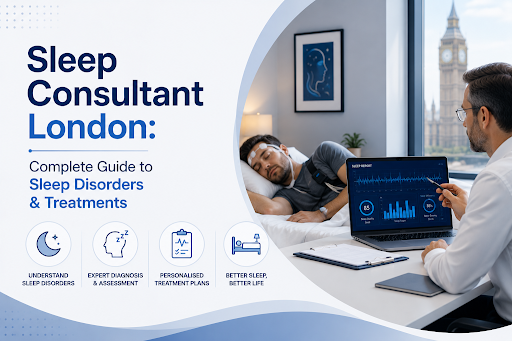
Sleep is one of the most important pillars of good health. However, millions of people suffer from poor sleep and fail to realize that they have a medical condition causing their sleep disorder. Excessive snoring, drowsiness during the day, inability to fall asleep, and waking up tired should never be overlooked. Visiting a sleep consultant in London will allow you to find out what lies behind your sleep disorder and obtain appropriate treatment for improved health and wellbeing.
Sleep disorders go beyond fatigue. They may lead to such medical conditions as heart disease, diabetes, hypertension, depression, anxiety, and inability to concentrate. Early detection and effective treatment may really make a difference.
Understanding Sleep Disorders
Sleep disorders are medical conditions that prevent you from sleeping soundly. Although having trouble sleeping once in a while is normal, it is advisable to consult a doctor when you suffer from insomnia regularly.
Among the most frequent sleep disorders are the following:
- Obstructive Sleep Apnoea (OSA)
- Insomnia
- Restless Legs Syndrome (RLS)
- Narcolepsy
- Circadian Rhythm Sleep Disorders
- Parasomnias such as sleepwalking or night terrors
All sleep disorders have varying causes, symptoms, and treatment techniques, which is why accurate diagnosis is important.
Common Signs That Shouldn’t Be Ignored
People often believe that they are suffering from sleep disorders because of their busy lifestyles. The signs below can point towards a possible sleep disorder:
- Loud, persistent snoring
- Breathing interruptions when sleeping
- Morning headaches
- Being very tired even after sleeping for many hours
- Inability to remain asleep
- Sleep difficulties
- Over-sleepiness during the day
- Struggling to pay attention while working or driving
- Mood changes or irritability
Individuals experiencing these symptoms for more than two weeks should seek medical assistance.
What Causes Sleep Disorders?
There are many reasons why one would experience difficulty sleeping. Oftentimes, multiple causes could contribute to sleep disorders.
Lifestyle Factors
- Irregular sleep schedules
- Excessive screen time before bed
- High caffeine intake
- Alcohol consumption
- Stress and anxiety
Medical Conditions
- Obesity
- Asthma
- Chronic lung diseases
- Heart disease
- Gastro-oesophageal reflux disease (GERD)
- Neurological disorders
Mental Health Conditions
Conditions such as anxiety, depression, and chronic stress may affect the quality of one’s sleep.
How Sleep Disorders Are Diagnosed
An accurate diagnosis begins with carrying out an extensive medical examination. In doing so, a specialist will look into your symptoms, sleep pattern, medical history, and lifestyle in coming up with the right diagnosis.
Depending on your symptoms, the diagnostic procedures may entail:
- Sleep Studies to monitor breathing, oxygen saturation, heart rate, and sleep cycles
- Home Sleep Apnoea Test
- Overnight Polysomnography
- Pulmonary Function Tests if breathing disorders are suspected
- Testing for any breathing disorder in situations when individuals who have been suffering from respiratory diseases cannot sleep.
This would lead to an accurate diagnosis that would give the correct treatment for the actual problem.
Treatment Options Available
Sleep disorder treatments depend on the type and level of the problem. Many patients need personalized treatment solutions compared to generalized ones.
Lifestyle Modifications
Basic changes usually help people get enough sleep.
- Maintain a consistent sleep schedule
- Limit caffeine in the evening
- Avoid heavy meals before bedtime
- Exercise regularly
- Reduce screen exposure before sleeping
Medical Treatments
Depending on the diagnosis, some of the treatment methods include:
- CPAP Therapy for obstructive sleep apnea
- Oral appliances
- Medications were medically advisable
- Treatment of underlying respiratory conditions
- Behavioral therapies for insomnia
Cognitive Behavioural Therapy for Insomnia (CBT-I)
CBT-I is regarded as one of the best options for treating chronic insomnia in the long term. This type of therapy emphasizes changing negative thoughts and behaviors that affect healthy sleep.
When Should You Seek Specialist Advice?
There are several reasons why people may neglect their problem and not seek help for it. But in case symptoms become chronic, a consultation is necessary.
The following circumstances require visiting a sleep consultant in London, if you:
- Snore loudly every night
- Wake up gasping for air
- Feel sleepy throughout the day
- Experience insomnia for more than three months
- Have witnessed breathing pauses during sleep
- Feel tired despite sleeping for adequate hours
- Have existing respiratory conditions affecting your sleep
Such habits are conducive to quality sleep in addition to professional management of the condition.
The Link Between Sleep and Respiratory Health
There is a significant connection between sleep disorders and respiratory problems. The co-existence of diseases such as asthma, COPD, and sleep apnea means that assessing your respiratory system is critical.
Benefits of dealing with both sleep and respiratory issues together may include:
- Better oxygen levels at night
- More energy during the day
- Lower chances of developing cardiovascular issues
- Concentration improvements
- Boosting the immune system
- Higher quality of life
A combined approach allows for more thorough patient treatment.
Improving Your Sleep Every Day
It is also possible to get some improvement from your sleep by adopting better sleeping habits, even when you are receiving treatment.
Below are a few ways to improve sleep hygiene:
- Go to bed and wake up at the same time daily.
- Keep your bedroom cool, dark, and quiet.
- Avoid using electronic devices for at least one hour before bedtime.
- Limit alcohol and nicotine before sleep.
- Exercise regularly, but avoid intense workouts late in the evening.
- Manage stress through relaxation techniques or mindfulness.
These habits support better sleep alongside professional treatment.
Why Personalised Sleep Care Makes a Difference
Every patient will have their own problem when it comes to sleeping. For instance, despite both patients having the same complaint, they can have a completely different illness that needs to be treated in its own way.
Personalization includes:
- Comprehensive clinical assessment
- Accurate diagnostic testing
- Individualised treatment plans
- Ongoing monitoring
- Adjustments based on patient progress
Customized treatment will result in better results for patients and a higher level of their satisfaction.
Restoring Better Sleep Starts with the Right Expertise
Poor sleeping habits can influence all aspects of your life, including work and social interactions, as well as overall well-being and physical health. The positive thing about this problem is that there are many sleep disorders, and all of them are completely curable when diagnosed properly. In case you have trouble with sleep, the first step that you should take is to contact a sleep consultant in London. For expert diagnosis, advanced Sleep Studies, comprehensive Respiratory Medicine services, and personalised treatment plans, Chest and Sleep Doctor offers experienced specialist care to help patients achieve better sleep and improved overall health.