


What is Pneumonia
Pneumonia is an infection of the lungs with a range of possible causes. It can be a serious and life-threatening disease. It normally starts with a bacterial, viral, or fungal infection.
The lungs become inflamed, and the tiny air sacs, or alveoli, inside the lungs fill up with fluid.
Here are some key points about this disease. More detail is in the main article.
- Pneumonia is an infection of the lungs that can cause mild to severe illness in people of all ages.
- It is the one of the leading causes of hospital admissions and death worldwide
- Those at high risk for this disease include older adults, the very young, and people with underlying health problems.
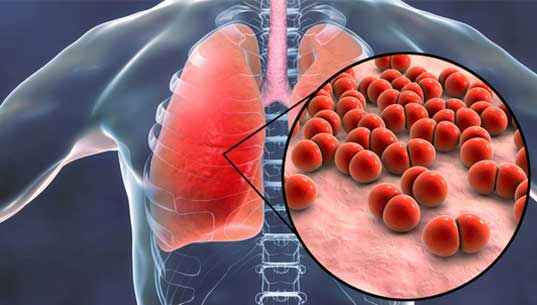
Risk for Pneumonia
Those most at risk include people who:
- Are over 65 years
- Smoke tobacco, consume large amounts of alcohol, or both
- have underlying conditions such as cystic fibrosis, chronic obstructive pulmonary disorder (COPD), asthma, or conditions that affect the kidneys, heart, or liver
- have a weakened or impaired immune system for example due to HIV or cancer
- Being on medications which suppress immune system
- Organ transplant or bone marrow transplant recipients
- have recently recovered from a cold or influenza infection
- experience malnutrition
- have been recently hospitalized in an intensive care unit
- have been exposed to certain chemicals or pollutants
Prevention
There are two different vaccines to prevent this disease, the most common bacterial cause of pneumonia.
These cover a wide variety of pneumococcal infections
- Pneumococcal conjugate vaccine, or Prevnar
- Pneumococcal polysaccharide vaccine, or Pneumovax
Diagnosis
A doctor will ask about symptoms and medical history and will carry out a physical examination.
They may suspect pneumonia if they hear coarse breathing, wheezing, crackling, or decreased breath sounds when listening to the chest through a stethoscope. The doctor may also check the oxygen levels in the blood with a painless monitor on the finger called a pulse oximeter.
- Chest X-rays
- CT scan
- Blood tests
- Blood cultures
- An arterial blood gas (ABG)
- A sputum analysis
Treatment of Pneumonia
Treatment depends on the type and severity of pneumonia.
- Bacterial types of pneumonia are usually treated with antibiotics.
- Viral types of pneumonia are usually treated with rest and plenty of fluids. Antiviral medications can be used in influenza.
- Fungal types of pneumonia are usually treated with antifungal medications.
Doctors can provide treatment which include treatments for reducing fever, treating infection and inflammation . Dr. Anand Singh is a pneumonia specialist doctor in The Clementine Churchill Hospital in Harrow, and Syon Clinic in Brentford, West London, OSD Healthcare Hertfordshire.
● ABOUT DR ANAND SINGH
About Dr Anand Singh
Dr Anand Singh is a highly experienced Consultant Respiratory Physician with over a decade of experience in the field.
Dr Singh is a well known Chest Consultant and Sleep Consultant who provides personalised treatment plan.
Dr Anand Singh is a consultant Respiratory Physician at West Hertfordshire Teaching Hospitals NHS Trust
(Watford General and Hemel Hempstead Hospital where he leads the Sleep and Non-Invasive ventilation Service
and Respiratory High Dependency unit. He undertakes sub-speciality clinics in Interstitial Lung diseases
and Sleep Apnoea as well as conducting general respiratory medicine clinics.
Professional Memberships


Recommended by patients